

TPU Film Production Process: Key Steps Explained
- 2026-09-13
- EVA TPU Film Manufacturers & Suppliers in China
- 533
TPU film production involves several key steps, each critical to the final product's performance. Here's how the process typically breaks down:
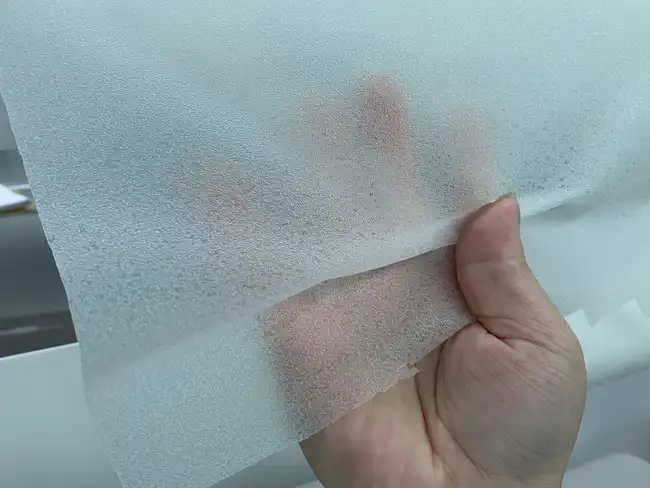
1. Raw Material Preparation: The process starts with TPU pellets, a thermoplastic polyurethane elastomer known for its strong physical properties and chemical stability.
2. Melt Extrusion: The pellets are fed into an extruder, where they're heated and melted into a uniform molten mass. Temperature control during this stage is essential—it directly impacts the quality of the final film.
3. Film Forming: The molten TPU is pushed through a specially designed die to form a thin film. This step demands precise control over both extrusion speed and film thickness to maintain consistency and quality.
4. Cooling and Setting: The freshly extruded film passes over cooling rollers for rapid cooling, locking in its shape and dimensional accuracy.
5. Winding: Once cooled, the film is wound onto rolls using a winding machine, creating convenient rolls for storage and downstream processing.
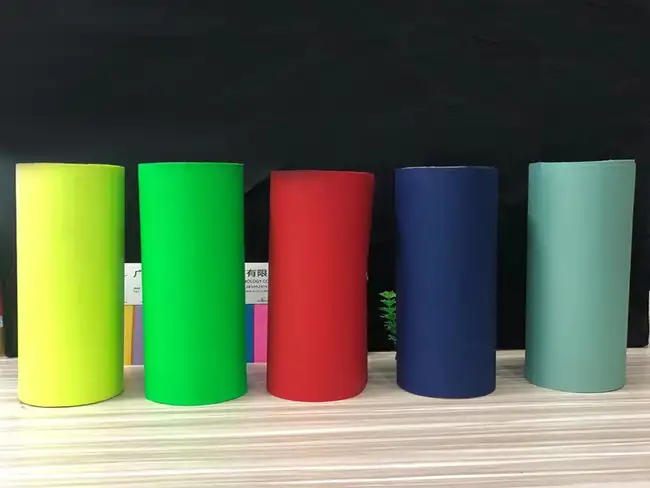
6. Quality Inspection: Every batch undergoes rigorous testing—thickness, tensile strength, tear resistance, and other key performance indicators—to ensure the film meets industry standards.
7. Post-Processing: Depending on the application, TPU film can be further treated with printing, coating, lamination, or other finishing processes to suit specific use cases.
The entire production line relies on precision equipment and strict operational procedures to deliver high-performance, stable TPU film. Ongoing innovations in technology and refinements in processing methods have significantly boosted both production efficiency and product quality.