

TPU Composite Film Lamination Process Guide
- 2026-09-28
- EVA TPU Film Manufacturers & Suppliers in China
- 627
TPU composite film is a multilayer material made from thermoplastic polyurethane (TPU), prized across a wide range of industries for its excellent mechanical properties and chemical stability. The lamination process typically involves bonding TPU to other substrates—such as fabric, leather, or paper—using specialized techniques to boost performance or add new functionality.
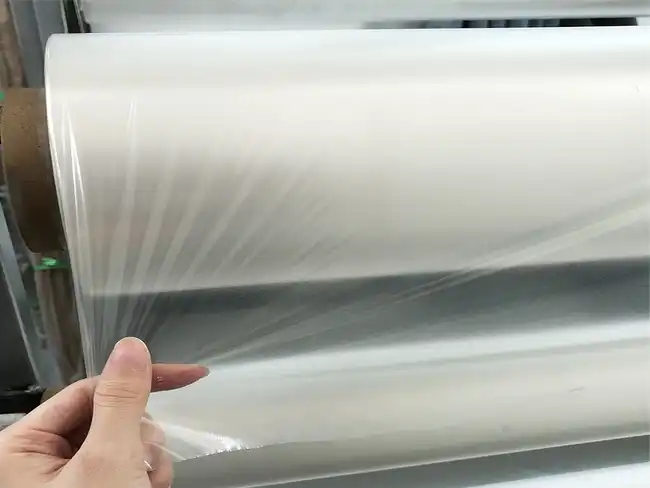
Here's a breakdown of the typical TPU composite film lamination process:
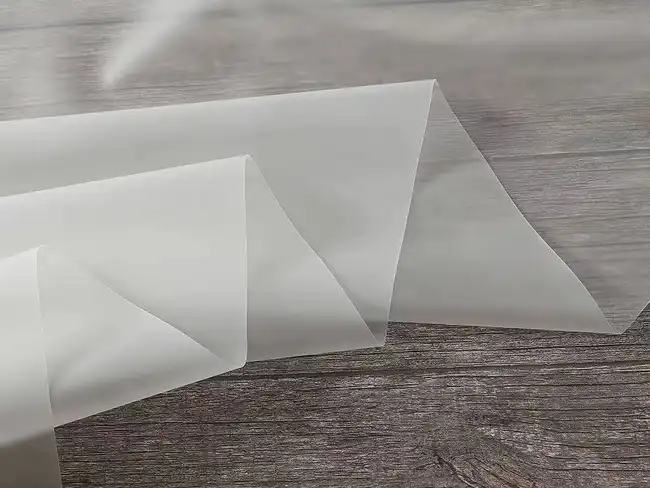
- Surface preparation: To improve adhesion between the TPU film and the substrate, the substrate surface is pre-treated—through cleaning, sanding, or chemical etching—to remove dirt and oils, and to increase surface energy.
- Adhesive application: A specific adhesive is evenly applied to either the TPU film or the substrate. The choice of adhesive depends on the types of materials being bonded, as well as the required bond strength and temperature resistance.
- Lamination: The adhesive-coated TPU film is aligned with the substrate and pressed together. Heat or pressure is then applied to cure the adhesive, creating a strong, permanent bond between the two layers.
- Post-processing: After lamination, additional steps may be carried out—such as cutting, edge trimming, or heat setting—to ensure the film meets the required dimensions and shape, and to enhance its durability.
- Quality inspection: Finally, the composite film undergoes quality checks, including tests for bond strength, temperature resistance, and chemical resistance, to confirm it meets the specified standards.
Keywords for this article: TPU composite film, lamination process, TPU film bonding