

TPU Flame Retardant Film: Trends and Green Solutions
- 2026-08-19
- EVA TPU Film Manufacturers & Suppliers in China
- 618
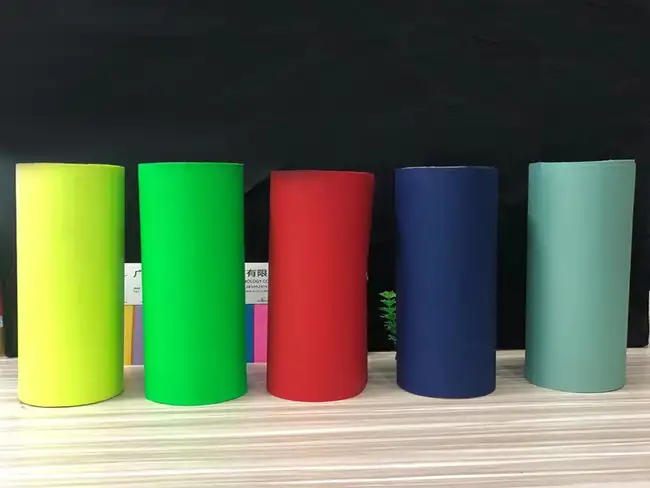
As global safety standards for materials continue to tighten, TPU (thermoplastic polyurethane) flame-retardant films are emerging as a go-to functional material across industries like manufacturing, construction, and electronics—thanks to their unique blend of flexibility and fire resistance. Yet the sector is wrestling with a dual challenge: boosting flame-retardant performance while making the leap toward greener, more sustainable production. Striking that balance is now the industry's biggest open question.
Where the Industry Stands and What's Holding It Back
The main appeal of TPU flame-retardant films lies in their strong physical properties and tunable flame resistance. Traditionally, manufacturers have relied on halogenated flame retardants—brominated compounds, for instance—to achieve the desired fire ratings. The catch? These materials can release toxic gases when burned, posing risks to both human health and the environment. On top of that, finding the sweet spot between flame-retardant performance (think UL94 V-0 ratings) and mechanical properties like tensile strength and aging resistance remains a persistent technical hurdle. The industry is grappling with several key pain points:
- The flame-retardancy vs. eco-friendliness trade-off: Halogen-free alternatives such as phosphorus- or nitrogen-based systems are far more environmentally friendly, but they require significantly higher loading levels, which can compromise the film's flexibility and processability.
- Cost constraints: High-performance additives—nanocomposites being a prime example—come with hefty R&D and production costs, which slows down broader market adoption.
- Demand for multifunctionality: Downstream applications like EV battery packs and flexible electronics expect TPU films to do more than just resist flames—they also need thermal conductivity, electromagnetic shielding, and more.
Promising Avenues for Technical Breakthroughs
To tackle these challenges head-on, the industry is exploring a mix of material modification, process optimization, and fresh innovation. Here's where the momentum is building:
- Nanocomposite technology: Dispersing materials like layered double hydroxides (LDH) or graphene into the TPU matrix can boost flame retardancy while actually improving mechanical strength.
- Synergistic flame-retardant systems: Combining phosphorus with nitrogen, or blending inorganic and organic components, helps cut down on the total amount of flame retardant needed—and reduces smoke density in the process.
- Bio-based TPU development: Using renewable feedstocks like castor oil to produce degradable TPU films is opening the door to more sustainable product lines.
Going Green and What Lies Ahead
With global carbon-neutrality goals firmly in the spotlight, the path toward a more sustainable TPU flame-retardant film industry is becoming clearer:
- Regulatory pressure driving change: Frameworks like the EU's REACH regulation and China's GB 8624 standard are pushing companies to phase out halogenated flame retardants and accelerate the shift to halogen-free solutions.
- Circular economy gains traction: Recycling and reclaiming waste TPU films—through methods like chemical depolymerization—is quickly becoming a hotbed of R&D activity.
- New applications, new growth: Emerging uses in photovoltaic backsheets and flexible wearables are set to unlock fresh market opportunities.
Looking ahead, tighter environmental regulations and increasingly diverse downstream needs will push the TPU flame-retardant film industry toward higher performance, lower costs, and greater sustainability. Companies that move quickly and innovate smartly are well-positioned to capture the high ground in the value chain.