

TPU High Temperature Resistance: Safety Limits Explained
- 2026-08-11
- EVA TPU Film Manufacturers & Suppliers in China
- 316
Have you ever stopped to notice just how much TPU surrounds us? From the responsive bounce in your running shoes to the comfortable grip of your phone case, and even the clear protective films on outdoor gear, this material is everywhere. But that ubiquity brings up a practical and very real question: just how much heat can this seemingly tough yet flexible material actually handle? This is especially relevant as the scorching summer months approach, when everyday TPU items are exposed to extreme conditions—like the inside of a closed car or the blistering surface of an asphalt road. Will they just warp or degrade, or could they silently release harmful substances? Today, we're digging deep into TPU's "temperature limits" to help you use your TPU products more safely and with greater peace of mind.
What TPU Is and Its Safety at Room Temperature
TPU, scientifically known as thermoplastic polyurethane elastomer rubber, is a high-performance material created through a chemical synthesis process. Under normal, everyday conditions, it's celebrated for its outstanding abrasion resistance, oil resistance, high elasticity, and excellent biocompatibility. That's precisely why TPU has found its way into so many products that come into frequent contact with our skin. The professional running shoes that let you move freely often feature TPU in their soles and cushioning systems. In the medical field, certain IV tubes and sterile pads rely on its non-toxic, non-irritating, and biologically friendly characteristics.
In short, a well-made TPU material is chemically quite stable. Normal contact at room temperature is generally harmless, which is why our feet can be in TPU shoes all day without widespread health concerns.
The Key Question: Heat Tolerance and Deformation Limits
To talk about TPU's heat resistance, we first need to understand a core metric: its long-term operating temperature and its upper limit for short-term heat exposure. Based on material properties, standard TPU films typically handle temperatures up to around 80°C (176°F). This threshold means that if you expose a standard piece of TPU to temperatures above that for an extended period, the molecular chains start moving more vigorously. This leads to a noticeable decline in physical properties like hardness, strength, and shape retention. In practical terms, the material softens, may experience permanent deformation, or could even break down or dissolve, completely losing its intended function.
But technology keeps pushing boundaries, and upgraded products designed for specific needs are already on the market. For instance, heat-resistant TPU formulations, created through improved recipes and specialized additives, can withstand temperatures up to roughly 130°C (266°F). Going even further, modifying TPU with reinforcements like glass fibers allows it to maintain better stability under high-load, high-temperature conditions.
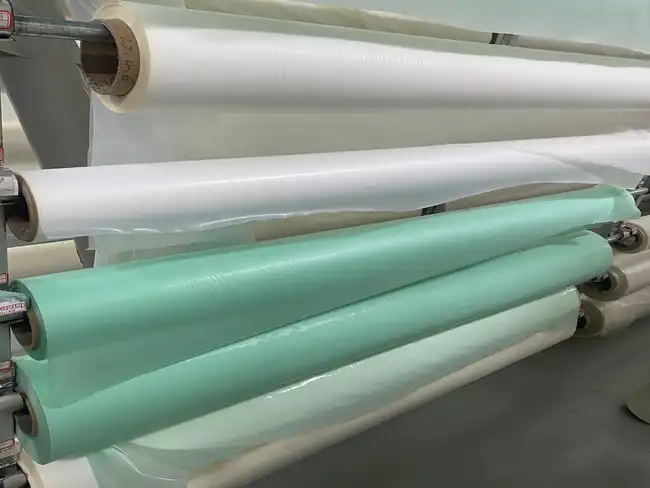
So, can TPU withstand high heat? The answer is "yes, within a certain range." But that range is very specific and depends entirely on the grade of material in question—there's no one-size-fits-all answer. Push it past its limits, and both the damage to the material and the potential risk to your health quietly start to escalate.
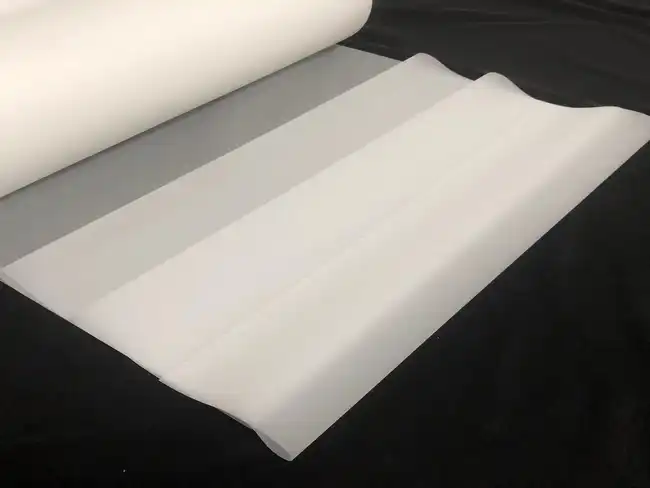
Facing Extreme Heat: The Risk of Decomposition and Chemical Release
So, what happens when we push TPU to the edge of its tolerance or cross that red line entirely? A deeper and more pressing question is: can high heat cause TPU to break down or release harmful substances?
The answer is yes, and this potential risk shouldn't be ignored. It's closely tied to the quality of the TPU and the severity of the conditions it faces. Let's start at the source: the raw materials used to produce TPU include diisocyanates, polyols, catalysts, and various stabilizers and lubricants. If the manufacturing or purification process has any gaps or shortcomings, residual monomer molecules or catalysts can remain in the final product.
At room temperature, these imperfections might be effectively locked in and contained, making the threat seem minimal and hidden. But under extreme heat—or even high heat combined with high humidity, like wearing TPU-based athletic gear during intense exercise where sweat and body heat are factors—molecular movement becomes so intense that certain chemical bonds in the TPU loosen and rearrange. The material's integrity starts to weaken, and those poorly bound, free-moving components can "escape" as small volatile molecules. While the exact breakdown products vary depending on the TPU formulation, some of these chemically active molecules, if absorbed through the skin or accidentally ingested, could trigger an abnormal immune response. This might manifest as skin itching, redness, bumps, or other allergic reactions. Over time, prolonged exposure could potentially lead to more complex health issues.
How to Use TPU Safely and Avoid These Dual Risks
The point of sharing this information isn't to make you paranoid about TPU. It's to emphasize that smart, informed choices and proper usage—grounded in scientific understanding—are the best ways to ensure both comfort and safety.
- Choose your products and brands carefully. When buying anything made of TPU, prioritize reputable brands and trusted channels. Professional manufacturers follow strict production standards designed to minimize health risks like residual monomers and toxic catalyst impurities. Their quality testing is also more rigorous and reliable. Take a moment to check the packaging for relevant environmental or quality safety certifications, so you can use the product with confidence.
- Know the usage rules and avoid the danger zone. It's important to accept that "TPU is afraid of intense heat" is a hard fact. Try to avoid placing or using it in spaces that could overheat—a prime example is a car dashboard sitting in direct sunlight on a summer day. Can you really be sure the surface temperature inside that closed vehicle stays below the material's heat tolerance? Another key point: when high humidity and high heat combine, TPU's properties can degrade much faster! For items that sit directly against your skin—like tight athletic wear or medical protective gear containing this polymer—make sure to change out of them and wash them promptly after heavy sweating. This keeps things clean, hygienic, and prevents conditions that could allow problems to accumulate.
When it comes to TPU, we should adopt a balanced, rational perspective. Products made from high-quality, compliant materials, used within their appropriate temperature range, are reliable and perform excellently. At the same time, we should stay alert to the risks of pushing beyond those limits or encountering subpar manufacturing. By doing so, we can avoid turning a material that's meant to make life easier into a source of health concerns or environmental frustration. Make informed choices, use TPU within its scientific constraints, and you can enjoy the benefits of modern technology while steering clear of unexpected problems.